

Neptune XT Multicollector ICPMS

photo credit: Priscilla Boo
The Stanford Neptune XT Multicollector ICPMS (MC-ICP-MS) was installed in 2022 and is is used for making high precision isotope ratio determinations in natural and engineered materials.
Current applications include:
– Radiometric age determinations (Geochronology): U-Th and U-Pb
– Radiogenic isotopes as tracers of igneous and sedimentary systems: Sr, Pb, Nd
– Non-traditional stable isotopes as tracers of low temperature processes: Mg, Ca, Cr, Fe, U
– Isotope fingerprinting for source apportionment in human health studies: Pb
Available sample intake systems include an ESI Apex Omega and an Aridus 3 desolvation system.
Sample preparation and chemical purification are performed in our Picotrace metal-free clean lab.
If you are interested in isotope analyses on this instrument, please complete our questionnaire and give us some more information about your project and we will reach out to follow up with you.
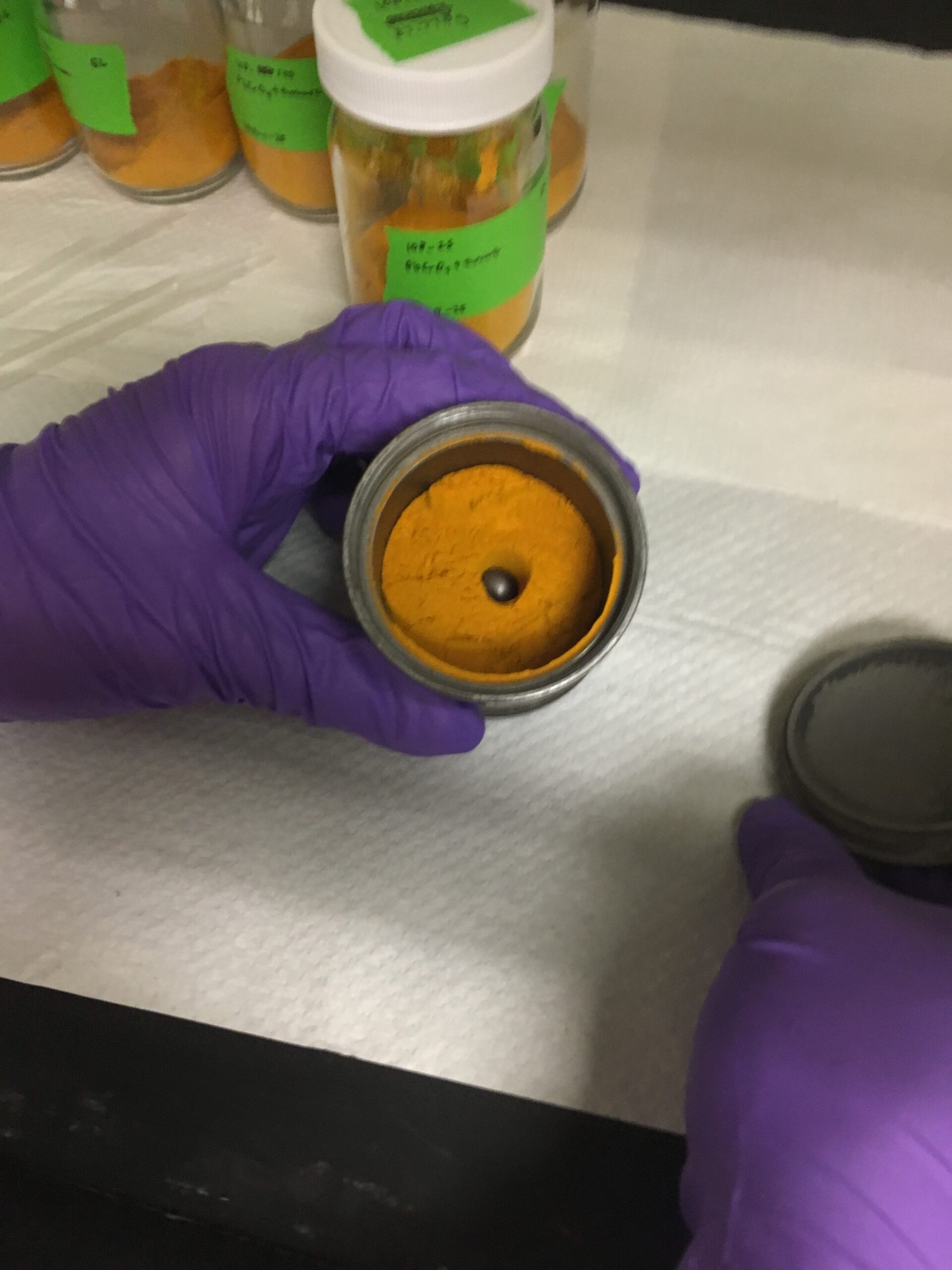
Turmeric’s unexpected link to lead poisoning in Bangladesh
Stanford Medicine Magazine highlights the work of Dr. Jenna Forsyth and Dr. Steve Luby. Their work identified lead-contaminated spices in Bangledesh with the help of measurements made in the SIGMA Facility.
Fingerprinting Lead in Bangladesh Turmeric
Some spice processors in Bangladesh use an industrial lead chromate pigment to imbue turmeric with a bright yellow color prized for curries and other traditional dishes, elevating blood lead levels in Bangladeshis. Read more in the Stanford Report.
Turmeric adulteration by lead chromate
The Washington Post highlights Jenna Forsyth’s work on Pb adulteration in turmeric. Lead isotopic measurements were made in the Stanford SIGMA facility and the findings were published in ES&T.
Stanford scientists solve mystery of ancient American lakes
Reduced evaporation played a role in allowing the Pleistocene lakes of the Western United States grow large. Results of uranium and thorium isotopic analyses by graduate student Daniel Ibarra from the Stanford ICP-MS/TIMS facility are published in the Geological Society of America Bulletin. Read More in the Stanford Report


